 ZH
ZH  IT
IT  EN
EN 


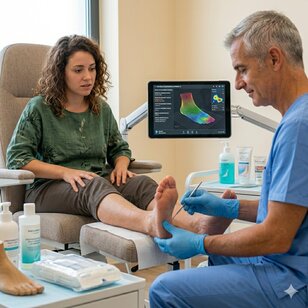
Diabetic Foot Ulcer Risk Reduction: A Practical Podiatry Guide
Living with diabetes requires careful attention to the lower limbs. Reducing ulcer risk is not only about treating a wound after it appears; it is about creating conditions in which the skin remains protected, pressure is monitored, and the biomechanicsThe study of how the muscles, bones, and joints work together to produce movement, such as walking or running. of your gait are less likely to create “hot spots” of excessive friction.
Why can postural health matter in diabetic foot risk reduction?
Many patients are surprised to learn that the way they stand affects their risk of developing an ulcer. If your posture is slumped or if you have a structural imbalance, your body compensates by shifting weight onto specific areas of the foot, such as the metatarsal heads or the heel. Over time, this constant pressure creates a callusA thickened layer of skin that forms due to repeated friction; in diabetic patients, these can hide underlying tissue damage.. Underneath that thickened skin, the tissue can break down without you even feeling it due to reduced sensation.
In a podiatry clinic in Bologna, gait and posture assessment can help identify areas of excessive pressure created by footwear, uneven surfaces, structural imbalance or changes in walking pattern. Corrective exercises, footwear advice and custom orthotic support may help redistribute load away from high-pressure zones and reduce factors associated with ulcer risk.
What daily hygiene practices support high-risk feet?
Daily protective care starts with a consistent foot-care routine. Because diabetes can reduce the skin’s ability to maintain normal hydration, the feet may become dry and prone to cracking. These cracks, or fissures, can become entry points for bacteria. To limit this risk, I recommend:
- Daily Inspection: Use a mirror to check the soles of your feet every evening. Look for redness, swelling, or any changes in skin color.
- Luke-warm Soaks: Avoid hot water, which can burn skin that has lost sensitivity. Use mild, pH-balanced soaps that do not strip away the skin's barrier.
- Targeted moisturisation: Use appropriate emollients, such as urea-based creams when indicated. However, never apply cream between the toes, as excess moisture can lead to macerationThe softening and breaking down of skin resulting from prolonged exposure to moisture, which increases infection risk..
How can nutrition and hydration protect your skin integrity?
Nutrition and hydration also contribute to skin resilience and tissue repair. Proper hydration helps skin cells remain more elastic, making them less likely to tear under pressure. From a nutritional standpoint, a balanced diet that supports general diabetes management can also support collagen production and microcirculationThe flow of blood through the smallest vessels, such as capillaries, which is vital for delivering nutrients to the skin..
Bologna is world-renowned for its culinary heritage, and a balanced diet with appropriate medical and nutritional guidance can help manage hyperglycemiaAn excess of glucose in the bloodstream, which can damage blood vessels and nerves over time if not controlled.. Keeping blood sugar levels stable helps reduce the risk of damage to the small capillaries that support foot tissue health.
Which breathable materials should you look for in footwear?
Your choice of footwear is an important part of diabetic foot protection. Poorly fitted shoes or non-breathable materials can cause the feet to overheat and sweat, increasing the risk of fungal infections and skin breakdown. When walking long distances, your feet need space, stability and breathability. Look for shoes made from:
- Soft Leather: It stretches and conforms to the shape of your foot, reducing friction.
- Seamless Linings: To prevent rubbing against the skin.
- Breathable fibres: Wear socks made of bamboo or cotton, which can help move moisture away from the skin better than many polyester blends.
Additionally, ensure your shoes have enough room for your toes to move freely. A cramped toe box is a leading cause of friction-induced ulcers on the tops of the toes or between them.
How does mindful movement and circulation help?
Supporting circulation is important for tissue health. Simple ankle pumps, toe curls and regular walking within your comfort limits can help move blood back up the legs. If you spend long hours sitting, take regular breaks to stimulate blood flow. This helps avoid blood pooling in the lower extremities, which can cause swelling and increase pressure on the skin.
"The best treatment for a diabetic foot ulcer is the one that prevents it from ever forming. Preventive care is a daily commitment to self-love and clinical awareness."
When should you visit a podiatry clinic in Bologna?
While daily home care is important, professional oversight is essential for people with diabetes. A podiatrist can perform a neurological assessmentA series of tests used to check the health of the nerves, specifically looking for loss of sensation or reflex changes. to assess foot sensation and identify subtle changes in gait that may not be obvious in daily life.
In my practice, the focus is on helping you maintain independence and mobility. We use non-invasive assessment techniques to monitor foot health and, when appropriate, provide custom plantar orthoticsCustom-made shoe inserts designed to support the feet and improve posture by redistributing pressure away from sensitive areas. to support posture and redistribute pressure away from sensitive areas.
Do not ignore a persistent red mark, callus, blister or change in sensation. If you are looking for an empathetic and professional podiatrist in Bologna, I can help you manage diabetic foot care with a careful, prevention-oriented approach. Whether you have noticed altered sensation or want a routine check-up, a professional assessment can support safer long-term mobility.
Contact my clinic to book a comprehensive foot health assessment and take a practical step toward long-term preventive diabetic foot care.