 ZH
ZH  IT
IT  EN
EN 

How to Relieve Bunion Pain Without Surgery: A Comprehensive Guide
A bunion is more than just a bump on the side of your foot. It is a progressive structural deformity of the metatarsophalangeal (MTP) jointThe joint at the base of the big toe where the toe bone meets the foot bone.. While many believe that surgery is the only answer, as a podiatrist in Bologna, I have seen hundreds of patients find significant relief through conservative management. The goal is not necessarily to "remove" the bump, but to stabilize the foot, reduce inflammation, and stop the progression of the hallux valgusThe medical term for a bunion, where the big toe deviates toward the other toes..
Managing this condition requires a multi-faceted approach. By combining proper footwear, specialized tools, and biomechanical corrections, you can continue to enjoy the vibrant lifestyle that Bologna offers, from the historic city center to the surrounding hills, without the constant reminder of foot pain.
What exactly is a bunion and why does it hurt?
To understand how to relieve the pain, we must understand its source. A bunion occurs when the long bone of the foot shifts outward and the big toe shifts inward. This misalignment causes the joint to protrude, making it vulnerable to friction against shoes. Over time, the bursaA small, fluid-filled sac that acts as a cushion between bones and soft tissues to reduce friction. surrounding the joint can become inflamed, leading to redness and swelling.
In many cases, the pain is exacerbated by pronationThe natural inward rolling of the foot during walking, which can place extra pressure on the big toe joint if excessive.. When your foot rolls inward too much, it puts excessive weight on the MTP joint. In a city like Bologna, where we walk extensively on hard pavement and uneven cobblestones, this mechanical stress is magnified, leading to the chronic discomfort many of my patients describe.
Can footwear choices really reduce bunion pain?
The most immediate way to find relief is to change the environment your foot lives in. Most bunion pain is "extrinsic," meaning it is caused by the shoe pressing against the deformity. When patients ask how to relieve bunion pain without surgery, my first recommendation is always a footwear audit. Today, footwear technology has advanced significantly, offering stylish options that do not compromise foot health.
- Wide Toe Box: Look for shoes that allow your toes to splay naturally. If the front of the shoe is pointed, it will inevitably push your big toe further into the bunion position.
- Soft Materials: Choose shoes made of soft leather or flexible mesh. These materials can stretch over the bunion rather than digging into it.
- Heel Height: High heels shift your entire body weight forward onto the MTP joint. Aim for a heel height of no more than 2-3 centimeters to keep the pressure distributed evenly across the foot.
- Sole Cushioning: A rocker-bottom sole can help reduce the amount of bending required at the big toe joint during the walking cycle, which significantly lowers pain levels.
Which non-surgical treatments are most effective?
Beyond footwear, several clinical interventions can provide long-term comfort. As a podiatrist in Bologna, I often utilize a combination of the following treatments:
- Bunion Shielding and Padding: Gel-filled pads can be worn inside the shoe to protect the prominent bone from friction. This is a simple but effective way to prevent the skin from becoming irritated or calloused.
- Toe Spacers: Using a silicone spacer between the first and second toes can help realign the joint temporarily, reducing the "pull" of the tendons that contributes to the deformity.
- Night Splints: While they won't permanently straighten the toe, splintsMedical devices used to keep a joint in a fixed, straight position, often worn during rest. can help maintain flexibility in the joint and provide relief after a long day of walking under the Bolognese porticos.
- Anti-inflammatory Topicals: Modern non-steroidal gels can be applied directly to the joint to manage acute flare-ups of swelling.
Are custom orthotics the right solution for you?
If your bunion pain is caused by poor foot mechanics, orthoticsCustom-made shoe inserts designed to support the feet and improve overall alignment and function. are often the most effective non-surgical solution. Unlike over-the-counter insoles, custom orthotics are designed based on a detailed 3D scan and a gait analysisAn assessment of the way a person walks to identify biomechanical abnormalities. of your walk.
Orthotics work by controlling the way your foot moves. By supporting the arch and preventing excessive inward rolling, they take the mechanical load off the big toe joint. This doesn't just relieve current pain; it helps prevent the bunion from getting worse. For my patients who enjoy long walks to San Luca or through the Giardini Margherita, orthotics are often a life-changing investment that allows them to remain active without the need for an operating room.
When should you visit a podiatrist in Bologna?
You should not wait until the pain is unbearable to seek professional advice. Early intervention is the key to avoiding surgery. If you notice that your big toe is starting to lean, if you have difficulty finding shoes that fit, or if you experience a dull ache after a day of walking, it is time for a check-up. At our podiatry clinic in Bologna, we focus on preserving your natural foot function through personalized care plans.
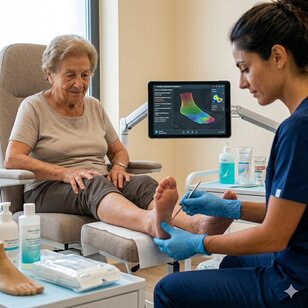
We use the latest diagnostic tools currently available to assess the health of your joints and the efficiency of your movement. By addressing the root cause of your bunion pain today, we can keep you walking comfortably for years to come. Remember, surgery is a significant step with a long recovery period; exploring these non-invasive options first is the most prudent path for your foot health.
Are you tired of bunion pain limiting your life? Do not let foot discomfort stop you from enjoying the beauty of our city. Contact our clinic today to book a comprehensive consultation and discover the best non-surgical path for your unique needs. We are here to help you walk pain-free again.