 ZH
ZH  IT
IT  EN
EN 


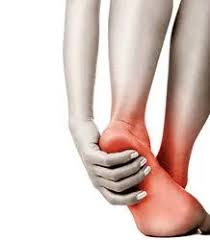
What causes pain under the ball of the foot?
The area under the ball of the foot is known as the
Is metatarsalgia the most common cause?
Yes, metatarsalgia is one of the most frequent causes. It occurs due to excessive pressure on the forefoot, often linked to improper footwear, prolonged standing, or biomechanical imbalances. Walking on hard surfaces, such as the historic pavements in Bologna’s city center, can increase stress on this area.
Can footwear contribute to the pain?
Absolutely. Shoes that are too tight, have high heels, or lack proper cushioning can shift weight toward the front of the foot. This increases pressure on the metatarsal heads, leading to discomfort and inflammation.
Other possible conditions behind the pain
What is Morton’s neuroma?
Could calluses cause pain?
Yes. Thickened skin, known as
Are stress fractures a concern?
Why does the pain worsen when walking?
Is body weight distribution a factor?
Yes. During walking, the forefoot absorbs significant pressure as you push off the ground. If your foot mechanics are altered, this load becomes uneven, leading to excessive stress on specific metatarsal heads.
Can foot structure influence symptoms?
Foot types such as high arches or flat feet can alter how weight is distributed. These structural differences often require targeted interventions, such as custom orthotics.
When should you see a podiatrist?
Is persistent pain a warning sign?
If the pain lasts more than a few days, worsens over time, or interferes with walking, it is important to consult a specialist. Early diagnosis can prevent complications.
What symptoms require immediate attention?
Seek professional care if you experience swelling, numbness, sharp pain, or difficulty bearing weight. These may indicate more serious conditions that need prompt treatment.
How is pain under the ball of the foot treated?
Are conservative treatments effective?
In most cases, yes. Treatment may include rest, footwear modification, and the use of
Is professional podiatric care necessary?
A podiatrist in Bologna can perform a detailed biomechanical assessment to identify the root cause of your pain. This may include gait analysis and personalized treatment plans tailored to your lifestyle.
Can physical therapy help?
Yes. Specific exercises can strengthen foot muscles, improve flexibility, and correct imbalances, reducing the risk of recurrence.
How can you prevent this type of pain?
Does proper footwear make a difference?
Wearing shoes with adequate support, cushioning, and a proper fit is essential. Avoid high heels and narrow shoes that compress the forefoot.
Is regular foot care important?
Routine podiatric care helps prevent calluses, monitor foot health, and detect early signs of overload. This is especially important for individuals who spend long hours walking or standing.
Living pain-free in Bologna
Walking should be a comfortable and enjoyable activity, whether you are exploring Bologna’s historic streets or going about your daily routine. Ignoring pain under the ball of the foot can lead to chronic issues that are harder to treat over time. Early intervention is key.
If you are experiencing discomfort while walking, do not wait for the problem to worsen. Book an appointment with a podiatrist in Bologna for a professional evaluation and personalized treatment plan designed to restore your mobility and comfort.