 ZH
ZH  IT
IT  EN
EN 


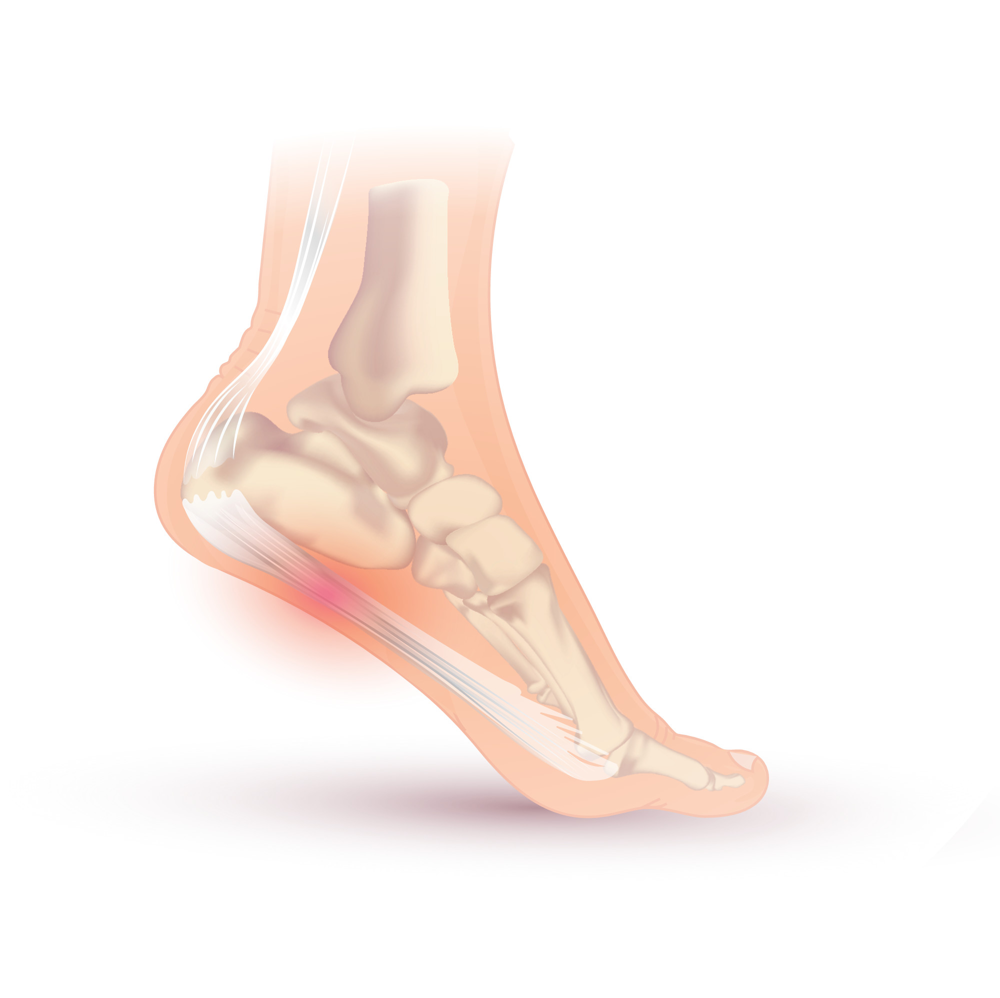
Comprehensive Care for Plantar Fasciitis in Bologna
As a podiatrist in BolognaA healthcare professional specializing in the diagnosis and treatment of foot, ankle, and lower extremity disorders., I see hundreds of patients like Marco every year. Today, our lifestyles are more active than ever, yet our feet often bear the brunt of hard urban surfaces. The condition Marco is experiencing is known as plantar fasciitisAn inflammation of the thick band of tissue that runs across the bottom of each foot and connects the heel bone to the toes.. It is one of the most common causes of heel pain, characterized by a sharp, stabbing sensation that usually occurs with your first steps in the morning or after long periods of sitting.
What is the cause of this stabbing heel pain?
The plantar fasciaA strong, fibrous attachment that supports the arch of the foot and acts as a shock absorber during movement. is designed to absorb the high stresses and strains we place on our feet. However, sometimes, too much pressure damages or tears the tissues. The body's natural response to injury is inflammationThe body's process of fighting against things that harm it, such as infections or injuries, often resulting in pain and swelling., which results in the heel pain and stiffness you feel. Factors such as age, obesity, and even the natural shape of your foot (like having very high arches or flat feet) can increase your risk.
How do Bologna’s cobblestones and porticos affect my feet?
Bologna is a city meant for walking. From the long stretches of porticos to the uneven sampietriniTraditional square-cut stones used for paving streets in Italian city centers, known for being hard and sometimes slippery. in the city center, our feet are constantly adapting to hard, unforgiving surfaces. Walking on these surfaces without proper support can lead to biomechanical stressThe physical forces exerted on the body's structures during movement, which can lead to injury if unbalanced.. When you visit a podiatry clinic in Bologna, we specifically look at how the local environment—including the hills of the Colli Bolognesi—might be contributing to your specific strain patterns. In Marco's case, his favorite uphill walk was putting excessive tension on his Achilles tendon, which in turn aggravated his heel.
Can a podiatrist in Bologna help without surgery?
The good news is that the vast majority of cases can be resolved with conservative, non-surgical treatments. During a consultation, we perform a thorough gait analysisAn assessment of the way a person walks or runs to identify abnormalities in movement. to see exactly how your foot strikes the ground. Treatment plans often include:
- Custom Orthotics: These are not generic store-bought insoles. Custom orthoticsIndividually tailored shoe inserts designed to support the feet and correct unique structural imbalances. are molded to your specific foot shape to redistribute pressure away from the painful area.
- Shockwave Therapy: A modern treatment where acoustic wavesHigh-energy sound pulses that stimulate blood flow and healing in damaged soft tissues. are sent into the heel to stimulate the body's own healing mechanisms.
- Kinesiology Taping: Using specialized tape to provide support and reduce the load on the fascia during daily activities.
- Prescribed Exercises: Specific stretches for the calf muscles and the bottom of the foot that help maintain flexibility and reduce tension.
How long does the recovery process take?
Patience is key when treating any chronic conditionA health condition or disease that is persistent or otherwise long-lasting in its effects.. Most patients begin to feel significant relief within a few weeks of starting a tailored treatment plan. However, full healing of the tissue can take several months. It is vital to continue the recommended stretches and wear your orthotics even after the pain subsides to prevent a relapse. In our clinic, we focus on a long-term strategy so you can return to your weekend walks to the Basilica of San Petronio without fear of the pain returning.
Is it possible to prevent heel pain from returning?
Prevention is always better than cure. To keep your feet healthy in a city like Bologna, I recommend paying close attention to your footwear. Shoes should have good arch support and adequate cushioning. Avoid walking barefoot on hard floors at home. Additionally, maintaining a healthy weight and performing regular foot stretches can significantly reduce the load on your calcaneusThe large bone forming the heel of the human foot.. Regular check-ups with a specialist allow us to catch minor imbalances before they turn into painful inflammatory conditions.
Marco is now back to his morning walks, enjoying the fresh air of the Bologna hills without the shadow of pain. If his story sounds familiar, don't wait for the condition to become chronic. Every step you take in pain is a step that could be causing further damage. My goal is to help you rediscover the joy of walking through our beautiful city with confidence and comfort.
Are you tired of living with heel pain? Contact our clinic today to book a specialist check-up and take the first step toward a pain-free life in Bologna.