 ZH
ZH  IT
IT  EN
EN 


Effective Ways to Treat Fungal Nail Infection After Running
As an experienced podiatrist in Bologna, I see many athletes who come to my clinic at the end of a long training season. Running creates the perfect storm for onychomycosisThe medical term for a fungal infection of the nail, caused by various types of fungi.. The combination of moisture, heat inside the shoe, and repetitive micro-trauma against the toe box allows fungi to thrive. Today, we have more advanced and faster-acting treatments than ever before, but the first step is always recognizing that a "runner's nail" isn't always just a bruise—it might be an infection that needs professional attention.
What are the first signs of a runner's nail fungus?
It is easy to mistake a fungal infection for a simple subungual hematomaA collection of blood under the nail, often appearing black or purple after trauma., which is very common among long-distance runners. However, while a bruise will eventually grow out, a fungal infection persists and spreads. You should look for a change in color—usually yellow, white, or brown streaks—and a change in the nail's texture. If the nail becomes brittle, crumbly, or begins to emit a slight odor, it is likely that dermatophytesA group of fungi that require keratin for growth and can cause infections of the skin and nails. have taken hold. Ignoring these signs can lead to the infection spreading to other toes or even the skin, resulting in athlete's foot.
Why are runners more susceptible to onychomycosis?
Running involves thousands of repetitive strikes. Each time your foot hits the ground, your toes can jam against the front of your shoe. This creates tiny gaps between the nail and the nail bedThe skin beneath the nail plate that provides nutrients and support for nail growth.. Fungi are opportunistic organisms; they enter through these microscopic tears. Furthermore, the humid climate of the Po Valley and the sweat generated during a run through the Giardini Margherita create a damp environment where fungi flourish. If your socks aren't moisture-wicking or if your shoes don't have enough time to dry between sessions, you are essentially providing a greenhouse for infection.
How can I treat fungal nail infection at home?
Early-stage infections may respond to over-the-counter topical antifungalsMedications applied directly to the surface of the nail or skin to kill fungus.. These usually come in the form of specialized lacquers or solutions. Before application, it is helpful to gently file down the surface of the nail to allow the medication to penetrate deeper. However, home treatments often fail because the fungus resides deep within the nail matrix. It is also vital to disinfect your running shoes regularly using antifungal sprays and to switch to synthetic, moisture-wicking socks that pull sweat away from the skin. While home remedies like tea tree oil are popular, they are rarely strong enough to eliminate a deep-seated infection in a runner's thickened nail.
When should I see a podiatrist in Bologna for nail issues?
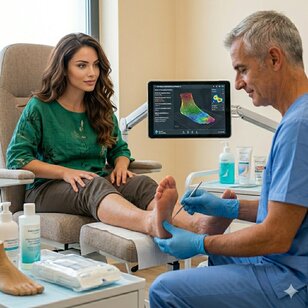
If you notice the infection is spreading, causing pain, or if the nail is becoming significantly thickened, it is time to visit a podiatry clinic in BolognaA specialized medical facility focused on the diagnosis and treatment of foot and ankle disorders.. Professional treatment is much more efficient than self-care. We utilize specialized tools for debridementThe medical removal of dead, damaged, or infected tissue to improve the healing potential of the remaining healthy tissue., which safely thins the infected nail, allowing medications to work instantly. In our 2026 practice, we also utilize high-tech laser therapies that target the fungus without damaging the surrounding tissue or requiring the long-term use of oral medications, which can sometimes have systemic side effects.
Can nail fungus affect my running posture?
This is a question many patients overlook. A fungal infection often leads to a thickened nail plate that presses against the shoe. To compensate for this pressure, a runner might slightly lift their toe or roll their foot differently during the propulsion phaseThe stage of the gait cycle where the foot pushes off the ground to move the body forward.. This change in biomechanics can cause strain on the metatarsals or lead to tendonitis. By treating the infection, we aren't just clearing the nail; we are restoring your natural, efficient movement pattern. Proper foot health ensures that your training remains injury-free and that your posture stays aligned from the ground up.
How can I prevent fungal infections during my training?
Prevention is always the best medicine, especially for active individuals. First, ensure your running shoes are the correct size; there should be about a thumb's width of space between your longest toe and the end of the shoe to prevent micro-traumaSmall-scale injuries to tissues that occur repeatedly over time, common in sports.. Second, never wear the same pair of shoes two days in a row; give them 24 to 48 hours to dry completely. Third, if you use public gyms or locker rooms in Bologna, always wear flip-flops. Finally, keep your toenails trimmed straight across—not too short—to prevent the edges from breaking and creating entry points for pathogens.
Living and running in a beautiful city like Bologna should be a joy, not a painful chore. If you have noticed changes in your toenails or if you are experiencing discomfort that is starting to affect your stride, do not wait for the condition to worsen. A quick, professional assessment can save you months of frustration and keep you on the road toward your fitness goals.
Are you ready to get back to running without discomfort? Contact our clinic today to book a comprehensive check-up. We will help you eliminate the infection and ensure your feet are in peak condition for your next run through the city.