 ZH
ZH  IT
IT  EN
EN 

Effective Strategies to Treat Pain from a Heel Spur
Living in a city like Bologna, where walking is the primary mode of transport, a heel spur can feel like a sentence to immobility. The hard surfaces of our historic center, while beautiful, offer little shock absorption for a foot suffering from enthesopathyA disorder involving the attachment points of tendons or ligaments to the bone.. To effectively treat the pain, we must adopt a multi-faceted approach that addresses both the immediate symptoms and the underlying biomechanicsThe study of the mechanical laws relating to the movement or structure of living organisms, specifically how your foot moves. of your gait.
Is the bone spur actually the cause of my pain?
It is crucial to clarify that many people have heel spurs visible on X-rays but experience absolutely no pain. The pain typically arises when the spur is accompanied by plantar fasciitisInflammation of the plantar fascia, causing intense pain in the heel, especially during the first steps of the day.. When the fascia is under constant tension—due to poor footwear, weight gain, or repetitive strain—it becomes micro-torn and inflamed. The body, in an attempt to protect the area, may deposit calcium, forming the spur. Therefore, when we discuss how to treat pain from a heel spur, we are primarily discussing the management of the soft tissue inflammation and the reduction of mechanical stress.
How do Bologna’s hard walking surfaces affect heel spurs?
As a podiatrist in Bologna, I often see a spike in heel pain cases during the transition between seasons. Our city's unique architecture, featuring over 60 kilometers of porticos, means residents spend a significant amount of time walking on hard marble, stone, and concrete. These surfaces provide no "give," forcing the heel to absorb the full impact of every step. If you are wearing thin-shelled shoes or fashion sneakers without proper support while traversing Piazza Maggiore, you are likely exacerbating the tension on your heel. The climate of the Po Valley, which can be damp and cold, can also contribute to stiffness in the joints and tendons, making the first steps in the morning particularly excruciating.
What are the best home remedies for immediate relief?
While professional intervention is often necessary, you can begin managing the discomfort at home with these evidence-based methods:
- Cryotherapy: Rolling your foot over a frozen water bottle for 15 minutes can help reduce local inflammation and provide a numbing effect.
- Stretching: Focus on the calf muscles and the Achilles tendon. Tightness in the posterior chain significantly increases the pull on the heel bone.
- Self-Massage: Using a tennis ball to gently massage the arch of the foot can help release tension in the fascia.
- Rest and Elevation: Avoid high-impact activities like running on the asphalt of the Bologna hills until the acute phase of pain has subsided.
How can a podiatry clinic in Bologna provide long-term solutions?
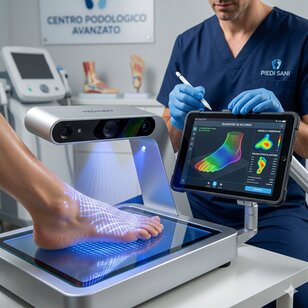
When home remedies are not enough, a professional podiatry clinic in Bologna offers advanced diagnostic and therapeutic tools. Our goal is not just to mask the pain, but to correct the reason the spur formed in the first place. This often involves a gait analysisA clinical evaluation of the way a person walks to identify biomechanical abnormalities. to see if you are over-pronating or if your arch is collapsing.
One of the most effective treatments we utilize today is Extracorporeal Shockwave Therapy (ESWT)A non-invasive treatment that sends acoustic shockwaves into soft tissue to stimulate healing and blood flow.. This technology uses high-energy sound waves to stimulate blood flow and trigger the body's natural healing response in the damaged tissue around the spur. Additionally, we may prescribe custom orthoticsPrescription medical devices worn inside shoes to correct foot posture and redistribute pressure.. Unlike over-the-counter inserts, these are molded specifically to your foot to offload the pressure from the heel, allowing the inflammation to resolve even while you continue to enjoy your walks through the city.
Can footwear choices prevent the recurrence of heel pain?
Prevention is the cornerstone of podiatric health. To prevent the return of heel spur pain, you must evaluate your footwear. Avoid completely flat shoes, such as certain types of sandals or older sneakers where the midsole has collapsed. A slight heel elevation (about 1-2 centimeters) can actually reduce the tension on the plantar fascia. Look for shoes with a firm heel counter and a rigid midfoot that doesn't twist easily. In a city where style is paramount, it is possible to find elegant footwear that also respects the physiological needs of your feet.
When should I see a specialist?
If you find that your heel pain is affecting your quality of life, if you are limping to avoid the pain, or if the discomfort persists for more than two weeks despite rest, it is time to seek professional help. Ignoring the pain can lead to compensatory injuries in the knee, hip, or lower back, as your body changes its natural movement to protect the foot.
At our clinic, we combine empathetic care with the latest medical technology to get you back on your feet. Don't let heel pain stop you from enjoying everything our beautiful city has to offer. Whether it's a stroll to the market or a long walk under the San Luca portico, your feet deserve to move without pain.
Are you ready to walk pain-free again? Contact our podiatrist in Bologna today to schedule a comprehensive foot examination and start your journey toward recovery.