 ZH
ZH  IT
IT  EN
EN 


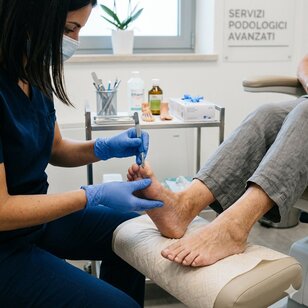
How to Treat Subungual Hematoma from Running Effectively
As we move through 2026, podiatric medicine has evolved to offer increasingly precise ways to manage repetitive impact injuries. For runners in Bologna, whether you are tackling the steep ascent to San Luca or sprinting along the flat stretches of the Giardini Margherita, your feet endure significant microtraumaSmall-scale injuries to tissues or cells resulting from repetitive stress or impact, which can accumulate over time.. A subungual hematoma occurs when the small blood vessels under the nail rupture, trapping blood between the rigid nail plate and the sensitive tissue below.
The pressure from this trapped fluid is usually what causes the intense pain, rather than the bruise itself. If left untreated, the pressure can lead to onycholysisThe painless separation of the nail from the underlying nail bed, often resulting in the nail eventually falling off., where the nail eventually detaches and falls off. Knowing the right steps to take immediately after a run can make the difference between a quick recovery and weeks of discomfort.
What are the first steps for immediate relief?
If you return from a run and notice the tell-tale black or blue spot, the first priority is to manage inflammation. You should follow the R.I.C.E. protocol (Rest, Ice, Compression, Elevation) specifically adapted for the foot. Applying a cold pack to the toe for 10-15 minutes every hour can help constrict blood vessels and limit the size of the hematoma. Keeping the foot elevated above the level of your heart will also encourage fluid drainage and reduce the throbbing sensation.
If the pain is mild and the discoloration covers less than 25% of the nail, conservative home care may be sufficient. However, it is crucial to avoid the temptation of "bathroom surgery." Attempting to drain the blood yourself with a heated paperclip or needle carries a high risk of secondary infectionAn infection that occurs during or after treatment for another infection, often caused by bacteria entering a wound. and can damage the underlying matrix, potentially leading to permanent nail deformity.
Why do runners frequently develop black toenails?
The mechanics of running involve a repetitive forward sliding of the foot within the shoe. Every time your foot strikes the ground, your toes can jam against the front of the toe box. This is particularly common when running downhill or if your footwear is not properly fitted. In Bologna, the varied terrain—from smooth pavement to uneven cobblestones in the city center—requires your feet to constantly adjust, increasing the shear forces on the toenails.
Furthermore, as you run, your feet naturally swell due to increased blood flow and heat. A shoe that fits perfectly at the start of a 5km run may become too tight by the 15km mark. This compression, combined with the repetitive striking, creates a "hammer" effect on the nail, leading to the rupture of capillariesThe smallest blood vessels in the body, which connect arterioles and venules and allow for the exchange of oxygen and nutrients. under the nail plate.
When should you seek help from a podiatrist in Bologna?
While some minor bruises heal on their own as the nail grows out, certain symptoms require professional intervention at a specialized podiatry clinic in Bologna. You should book an appointment if you experience any of the following:
- Intense, throbbing pain: This indicates high pressure that needs to be released professionally.
- Large area of discoloration: If the hematoma covers more than half of the nail, there is a higher risk of losing the nail or having an underlying distal phalanx fractureA break in the bone at the very tip of the toe, which can sometimes occur alongside severe nail trauma..
- Signs of infection: Redness spreading toward the toe joints, pus, or fever.
- Fluid drainage: If clear or yellowish fluid is leaking from under the nail.
As an experienced podiatrist in Bologna, I often see patients who have waited too long, leading to a thickened or "fungal-looking" nail that is actually just damaged tissue. Early intervention ensures the nail bed is protected and the new nail can grow in healthy and straight.
How is a subungual hematoma treated professionally?
The gold standard for treating a painful subungual hematoma is a procedure called trephinationA medical procedure where a small hole is made in the nail to allow trapped blood to drain, relieving painful pressure.. In our clinic, we use sterile, specialized equipment to create one or more tiny holes in the nail plate. This allows the trapped blood to escape, providing near-instantaneous relief from the pressure and pain.
This procedure is painless because the nail itself has no nerves; the relief comes from the release of the fluid pressing on the sensitive nerves below. After drainage, we apply a sterile dressing and provide guidance on how to keep the area clean. In some cases, if the nail is already significantly loose, we may perform a partial nail avulsionThe surgical removal of part or all of a nail, typically performed under local anesthesia to treat severe injury or infection. to prevent the nail from catching on socks and causing further tearing.
Can I prevent a bruised toenail during my training sessions?
Prevention is always preferable to treatment. To keep your feet healthy while enjoying the beautiful routes around Piazza Maggiore and beyond, consider these professional tips:
- Check your shoe size: Most runners need a half-size or full-size larger than their casual shoes to account for foot swelling. There should be a thumb’s width of space between your longest toe and the end of the shoe.
- Use proper lacing techniques: The "heel lock" or "runner's loop" lacing method can prevent your foot from sliding forward into the toe box.
- Keep nails trimmed: Trim your toenails straight across and keep them short. A long nail acts like a lever, catching the shoe and pulling on the nail bed.
- Moisture-wicking socks: Wear technical socks that reduce friction and prevent the toes from sticking together or to the shoe material.
Don't let foot pain stop your momentum. If you are struggling with a persistent "runner's toe" or need expert advice on how to treat subungual hematoma from running, our team is here to help. We combine clinical excellence with a deep understanding of the needs of the local athletic community.
Contact our podiatry clinic in Bologna today to schedule a comprehensive foot assessment and ensure you stay on track for your next race.