 ZH
ZH  IT
IT  EN
EN 


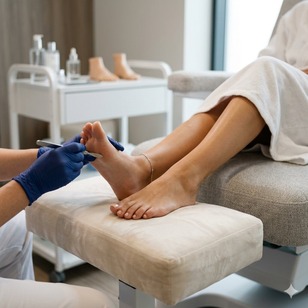
Comprehensive Strategies for Plantar Fasciitis in Bologna
Plantar Fasciitis is one of the most common causes of foot pain, yet it is frequently misunderstood. It involves the inflammation or irritation of the plantar fasciaA thick, fibrous band of tissue that runs along the bottom of the foot, connecting the heel bone to the toes and supporting the arch.. When this tissue is overstressed, small tears can develop, leading to significant discomfort. Living in a city like Bologna, where we often walk on hard surfaces and navigate historical cobblestones, our feet are under constant pressure. Understanding the mechanics of your gait is the first step toward a pain-free life.
What exactly causes the pain in my heel?
The pain associated with this condition is typically the result of repetitive strain. The fascia acts like a shock-absorbing bowstring, supporting the arch in your foot. If tension and stress on that bowstring become too great, small tears can occur. The body's natural inflammatory response to these tears is what causes the localized pain. Factors such as overpronationA movement where the foot rolls inward excessively during walking or running, often placing extra stress on the arch and fascia., improper footwear, and even the hard floors of our historic buildings can exacerbate the issue.
Why is the pain worse during the first steps of the day?
Many patients ask why their foot feels stiffest in the morning or after sitting for a long period. During rest, the plantar fascia naturally contracts and begins to heal in a shortened position. When you take that first step, the fascia is suddenly stretched, re-tearing the microscopic healing tissue. This is known as the "first-step" phenomenon. As you move around, the tissue warms up and the pain often subsides, only to return after a long day of standing or when you stand up after a rest.
How does the Bologna environment affect my foot health?
Bologna is a city meant for walking. From the long climb up to the Sanctuary of San Luca to the daily commute under the world-famous porticos, our feet endure a lot of mileage. The hard, flat pavement of the city center provides very little natural shock absorption. If your biomechanicsThe study of the mechanical laws relating to the movement and structure of the human body, specifically how your foot functions during motion. are slightly off, these hard surfaces amplify the stress on your heel. In my podiatry clinic in Bologna, I often see cases where a change in routine—such as starting a new walking tour or switching to thin-shelled shoes for the summer season—triggers a flare-up.
What are the primary risk factors for Plantar Fasciitis?
While anyone can develop this condition, certain factors increase your susceptibility:
- Age: It is most common between the ages of 40 and 60.
- Foot Mechanics: Flat feet, high arches, or an abnormal walking pattern can adversely affect weight distribution.
- Occupations: Teachers, factory workers, and waiters who spend most of their work hours walking or standing on hard surfaces.
- Weight: Excess pounds put extra stress on your plantar fascia.
- Exercise: Activities that place a lot of stress on your heel, such as long-distance running or dance, especially without proper support.
How is a diagnosis made at our podiatry clinic in Bologna?
When you visit my clinic, we begin with a thorough clinical examination. I will check for areas of tenderness in your foot to determine the exact location of the pain. This often involves physical palpationA medical technique where the healthcare provider uses their hands to feel the body to diagnose tenderness, swelling, or structural issues. of the heel and arch. In 2026, we also utilize advanced digital gait analysis to see how your foot moves in real-time. This helps us identify if a calcaneal spurA bony outgrowth that can form on the heel bone, often associated with chronic tension on the plantar fascia. is present or if the pain is purely soft-tissue related.
What are the most effective treatments available in 2026?
Modern podiatry offers a range of conservative treatments that are highly successful. Surgery is rarely necessary if the condition is caught early. Our approach often includes:
- Custom Orthotics: These are not generic insoles. OrthoticsCustom-made shoe inserts designed to support the arch, redistribute pressure, and correct biomechanical imbalances. are medical devices tailored to your specific foot shape to redistribute pressure and take the strain off the fascia.
- Shockwave Therapy: A non-invasive treatment that uses acoustic waves to stimulate blood flow and accelerate the healing of the damaged tissue.
- Kinesiology Taping: Using specialized tape to provide support and reduce inflammation during the acute phase.
- Stretching Protocols: Specific exercises targeting the calf muscles and the plantar fascia itself to improve flexibility.
Can I treat Plantar Fasciitis at home?
While professional intervention is key for long-term recovery, there are steps you can take immediately. I recommend rolling your foot over a cold water bottle to reduce inflammation and performing gentle calf stretches before even getting out of bed. However, avoid the temptation to self-diagnose for too long. If the pain persists for more than a few weeks, it is essential to see a professional to prevent the condition from becoming chronic, which can lead to hip, knee, and back problems due to changes in the way you walk.
Why should you choose a specialized podiatrist in Bologna?
Choosing a local expert means receiving care that understands your lifestyle. Whether you are a student at the University of Bologna navigating the city's cobblestones or a professional standing for hours in a shop near Piazza Maggiore, your treatment plan should be as unique as your footprint. My goal is to provide empathetic, evidence-based care that gets you back to enjoying your life without the constant shadow of heel pain.
Don't let heel pain limit your mobility or your enjoyment of our beautiful city. If you are struggling with the symptoms of plantar fasciitis, the team at our clinic is here to help you find lasting relief with the latest 2026 podiatric techniques.
Take the first step toward recovery today. Contact our podiatry clinic in Bologna to book a comprehensive check-up and personalized treatment plan.